Menu
Your Cart

Leica DM4000 Microscope

Do you have a Leica DM4000 Microscope that you are looking to liquidate? If so please complete the form below and we will make a fair offer for it. Our company specializes in refurbishing and supplying Microscopes such as this Leica DM4000 Microscope to laboratories that are unable to afford them new. We help scientists around the worlds conduct their research on the limited budget and at the same help you eliminate hazardous electronic waste out of the landfill. Even if you are considering recycling, we provide a much better alternative by giving a second life to the instruments such as this Leica DM4000 Microscope. We feel it will do much more good in the university lab or the new associate professor or a startup lab on a tight budget working hard to bring their research to life. If you have any questions do not hesitate to reach out to us. Thank you!
Compatible with a variety of user-friendly software packages and camera systems, the Leica DM4000 Microscope is the ideal microscope for life science research and clinical applications. It's Intelligent Automation features a coded 6x or 7x nosepiece, manual z-focus, and fully automated transmitted- and fluorescence axis. All settings are saved and displayed to provide reproducible results. The Contrast Manager supports the transmitted light (brightfield, darkfield, phase contrast and polarization contrast) and fluorescence contrast methods. It allows the user to switch from one contrast method to another with one push of a button. Based on the selected objective, all necessary adjustments are automatically done.

Here we are showing you our standard packing process  

      1. All items are different, but they all follow the same principle when packaging.

      2. Start with a well-constructed crate

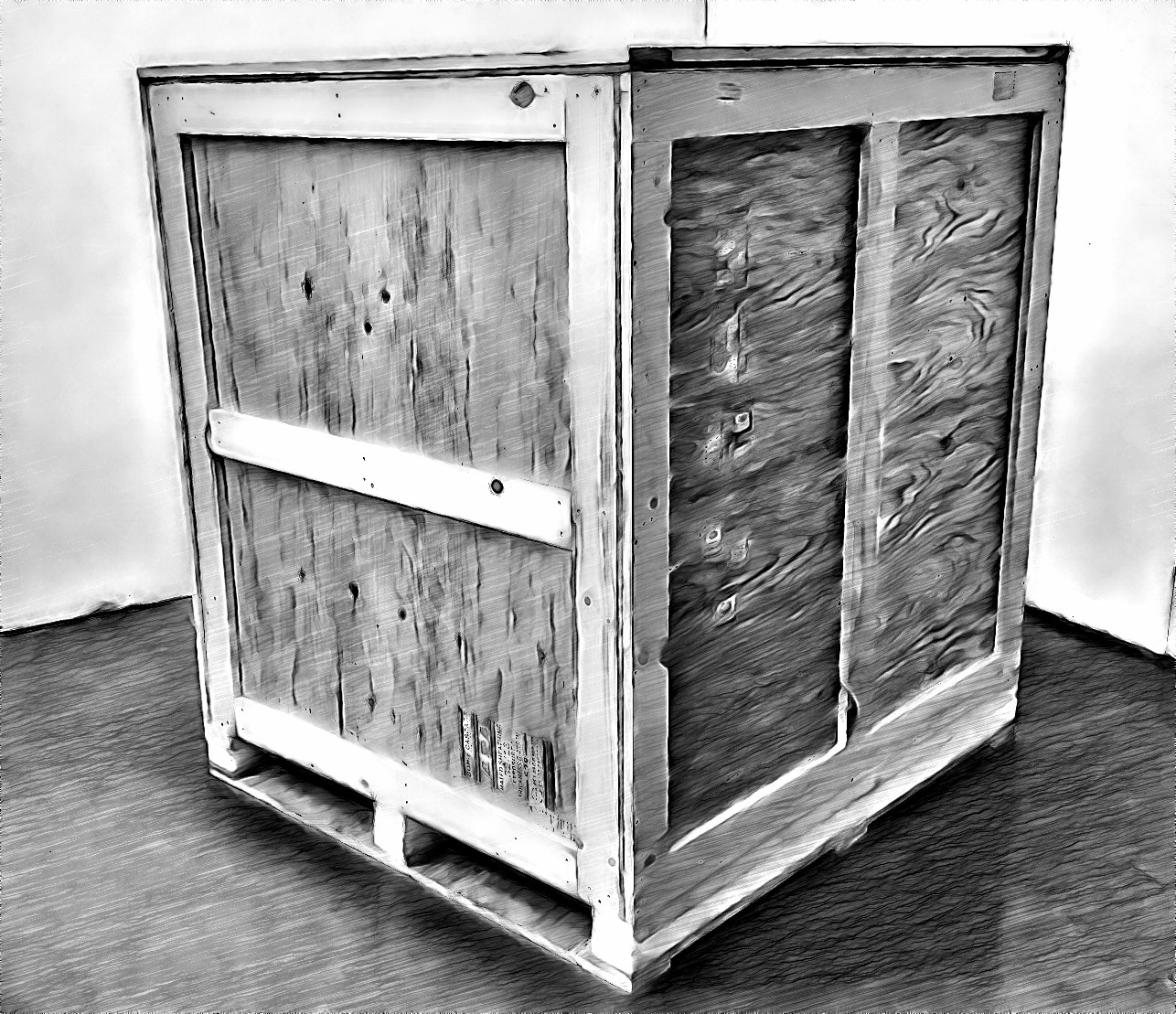
A well-constructed crate would consist of 1/2” to 5/8” Plywood with framing. We generally purchase our crates from a third party who specializes in custom crates.
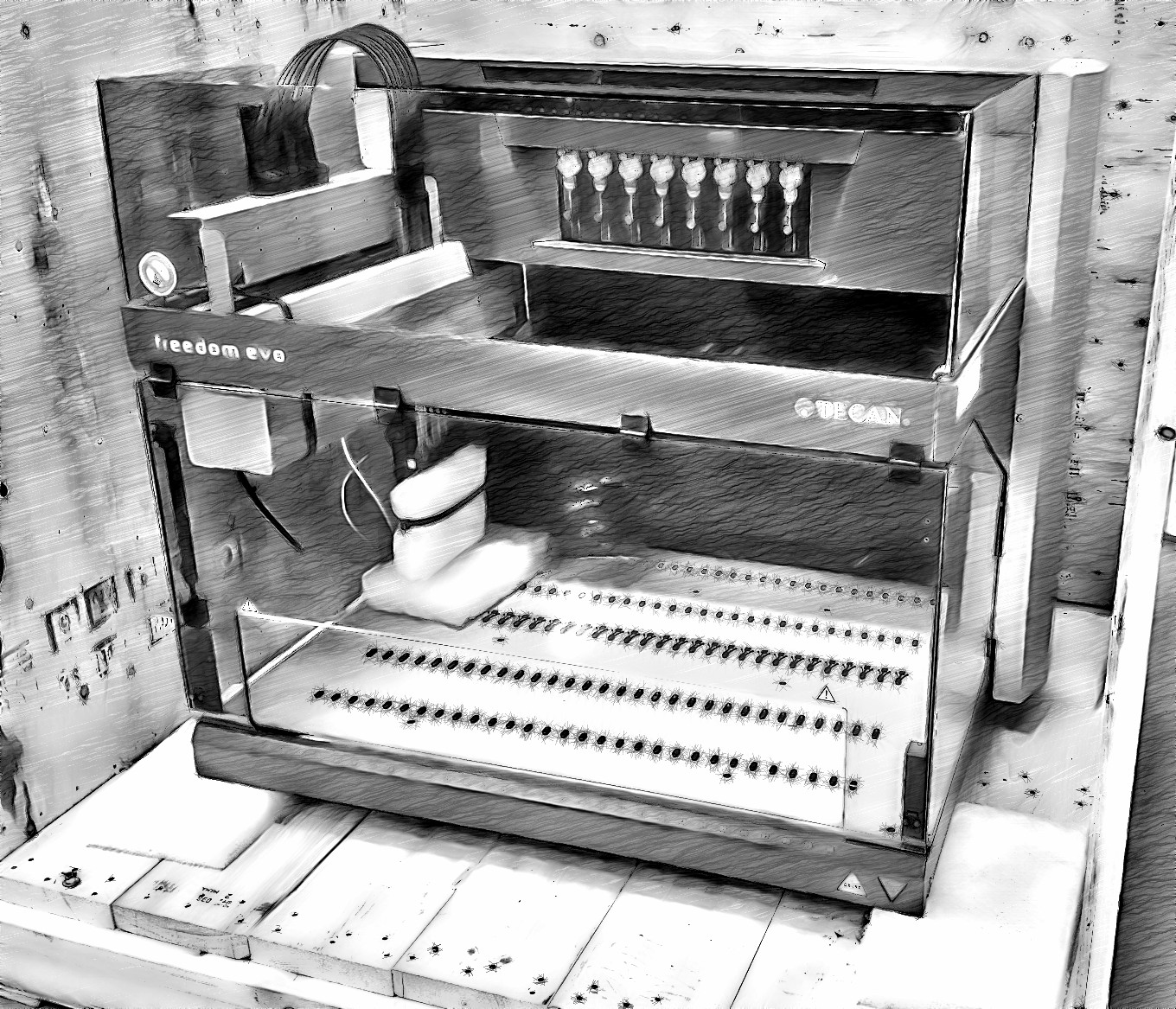
 

3. You always want the Instrument to not be directly on the wood deck of the crate. This is done by placing it on foam, inside of the crate. We use 2” 1.7 lb. density foam which works great. It provides cushioning and enough firmness to support the Instrument.
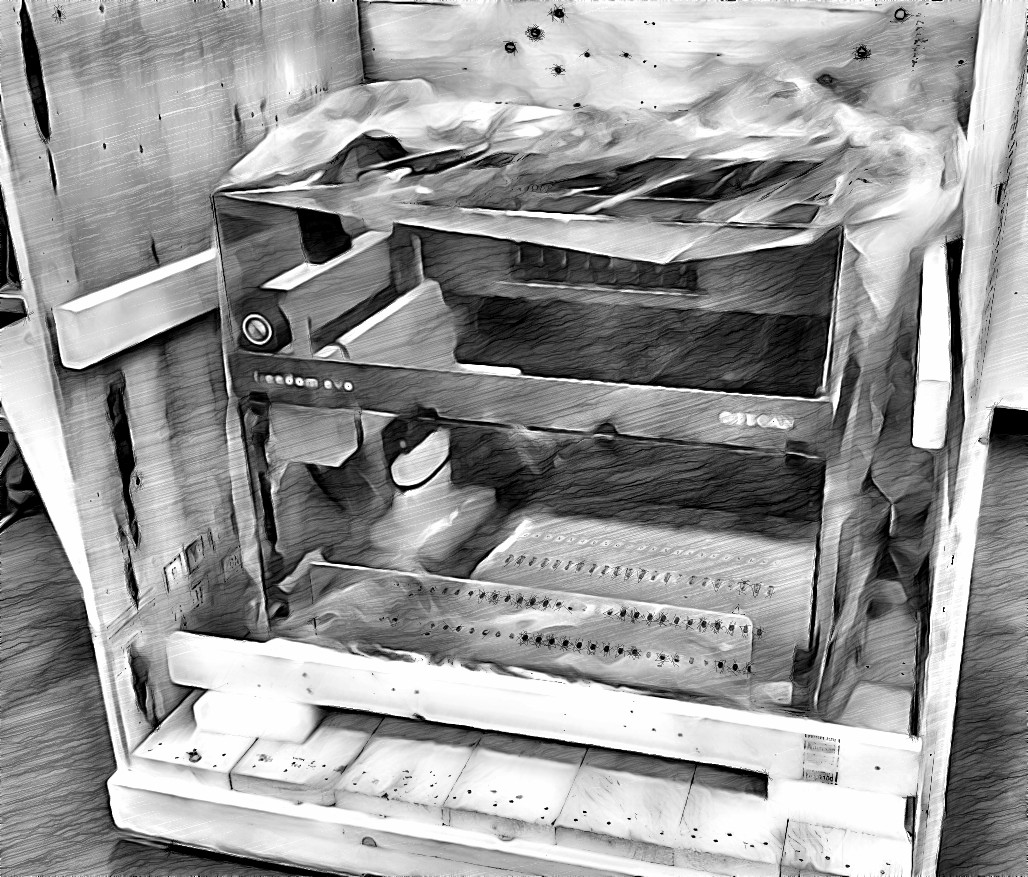
4.  The next step is to make sure there is nothing on the deck of the Instrument and the Head/ Arm is secured. In some cases there will be multiple arms to secure but for this example there is only one. The reason for this is so there is no free movement during transit which could cause serious damage to the Instrument.
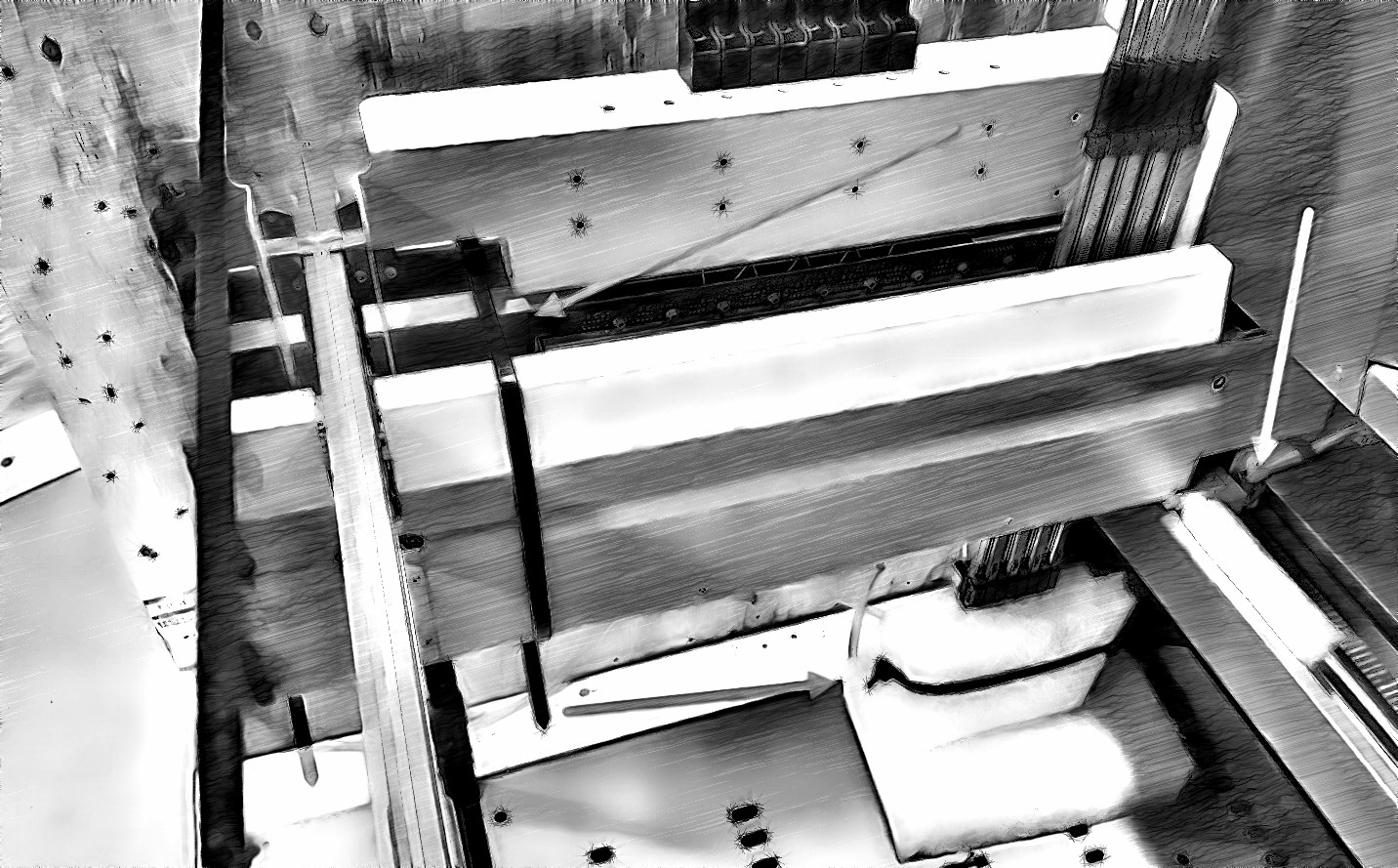
5. The next step is to make sure your Instrument is covered in either a pallet bag or shrink wrap so no dust or foreign object will get into the crate.
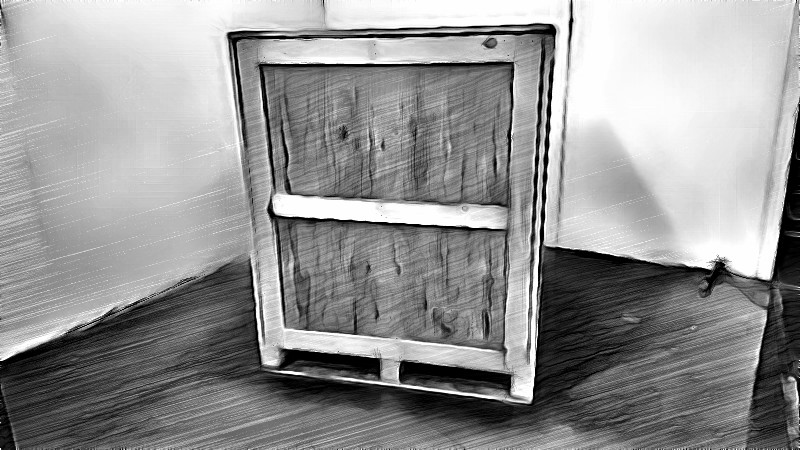
6. The next step is to secure the instrument inside the crate by bracing. We use a method of 2x4’s which have 1” foam shrink wrapped to them so no piece of wood touches the actual instrument.

7. Final step is to photograph everything inside the crate and then seal it with screws.


We use cookies and other similar technologies to improve your browsing experience and the functionality of our site. Privacy Policy.